A supported day in the bush - Family Adventures
Check out the resources you can now use when you go exploring nature
Families tell us that it can be hard to try out new activities and find things to do as a family on the weekend or school holidays, if you aren’t sure your child or children will cope. They have worries about how their child will manage the noise, safety considerations, the space and how they will handle the unpredictable.
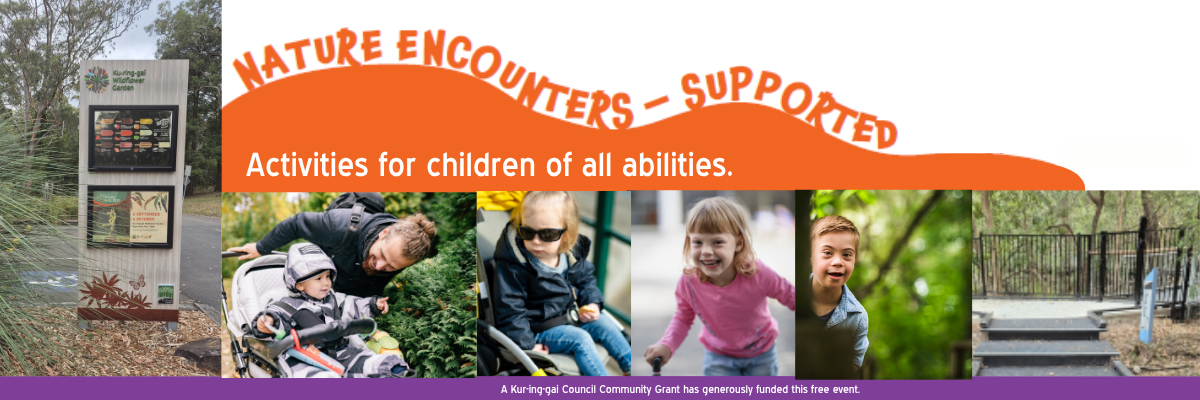
That is why EarlyEd was keen to apply for, and were grateful to be funded for, a Nature Encounter event at Ku-ring-gai Wildflower Garden for families of children with disabilities, or who may need support. Through a Ku-ring-gai Council Community Grant, EarlyEd was able to offer more than just a fun morning out in nature. It gave families a chance to try something new, with support and have resources they could use again in the future.
What we did on the day
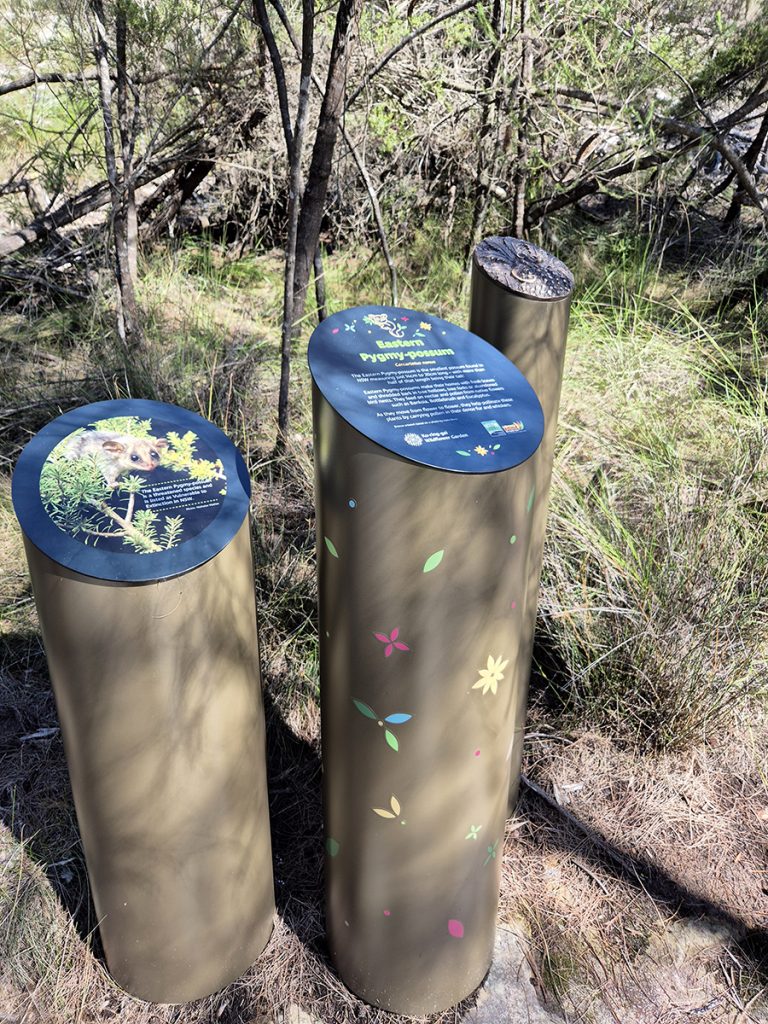
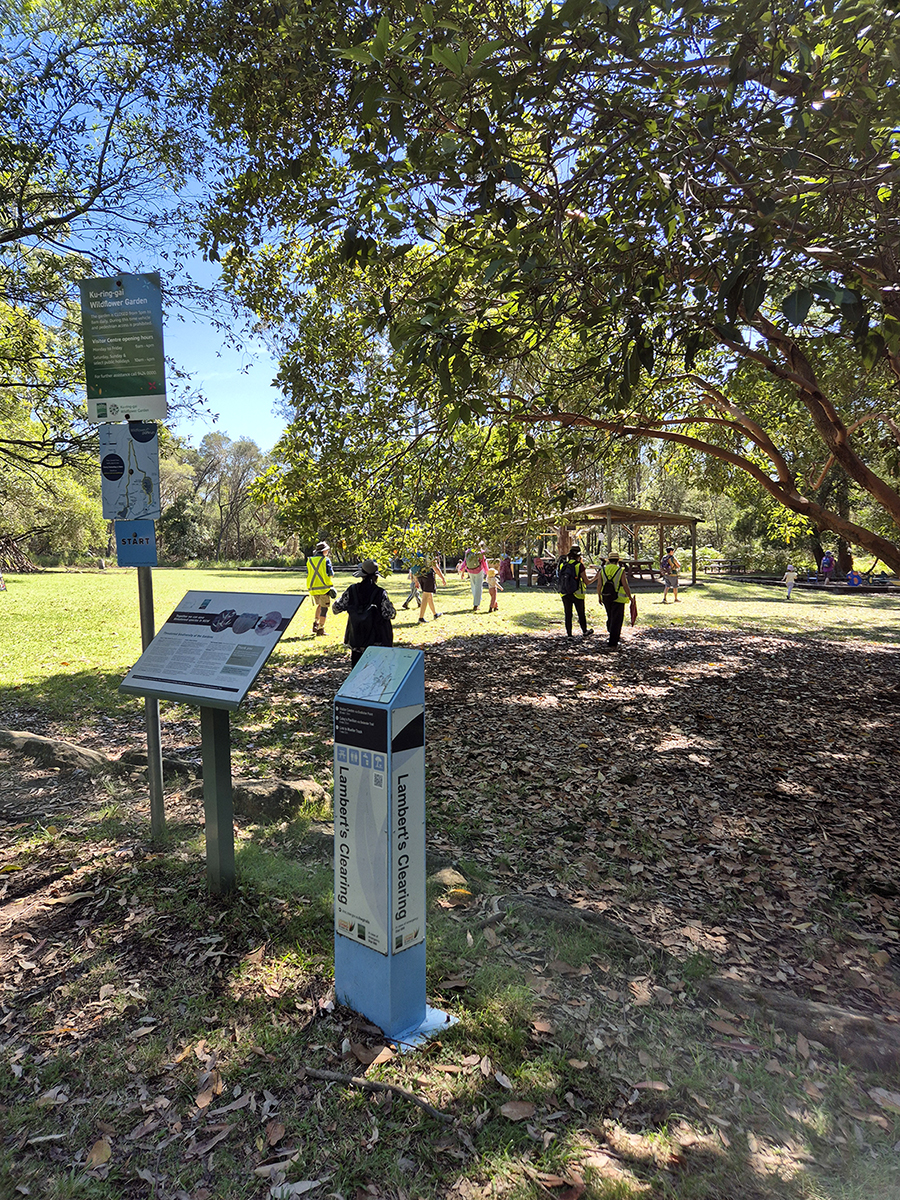
Children walked through the bush, looked for possums, frogs, bugs and plants, and joined in at their own pace. Our team of speech pathologists and specialist educators made sure families knew what to expect before coming along. We wanted to make sure the experience went smoothly for everyone.
Resources were shared, via email with families before the day. We wanted parents to feel confident and comfortable about joining us on the day. And they did. The resources could be shown to the children to help them feel ready. They knew what would happen at the event.
The families all told us that they had a positive experience. They were able to join in and be part of a community activity with other families.
Resources to keep using
We also wanted each family to feel that they could come back again, or join in similar nature activities. We have adapted the resources we made for the day so families can use them again. EarlyEd are sharing the resources we created for this event in this blog.
New families can use them at the Ku-ring-gai Wildflower Garden in the future. This means families can enjoy the amazing facilities of the Ku-ring-gai Wildflower Garden and have their own “Nature Experience”.
The Ranger team for the Wildflower Garden helped us plan the day, to make sure it complied with appropriate safety practices. They now have access to these resources as well.
Why did we want to hold this event
For children with disability, developmental delay, or extra support needs, an outing in the outdoors can be hard, more complicated and daunting for parents. EarlyEd wanted to create an inclusive learning experience for children that the whole family could take part in. We wanted all children to have the opportunity to play, move and explore in nature, because that is how they learn new things about the world. We wanted families to experience unique places that are in their own local community together as a family.
We wanted this event to be a school holiday activity. Families tell us that school holiday activities are not always easy to find or join. Organised activities are often too busy or involved to send their child to.
If they do find a program their child can join, the parents are concerned about whether the team running the program has enough experience and know how to engage with their child. Parents and carers may feel unsure about leaving their children with unfamiliar people and usually supported programs can be more expensive to send their child to.
Finding a program suitable for the whole family can be challenging. It might not really suit a younger or older child (who are also on holidays) and need to come along.
What made the day work well
Before the event
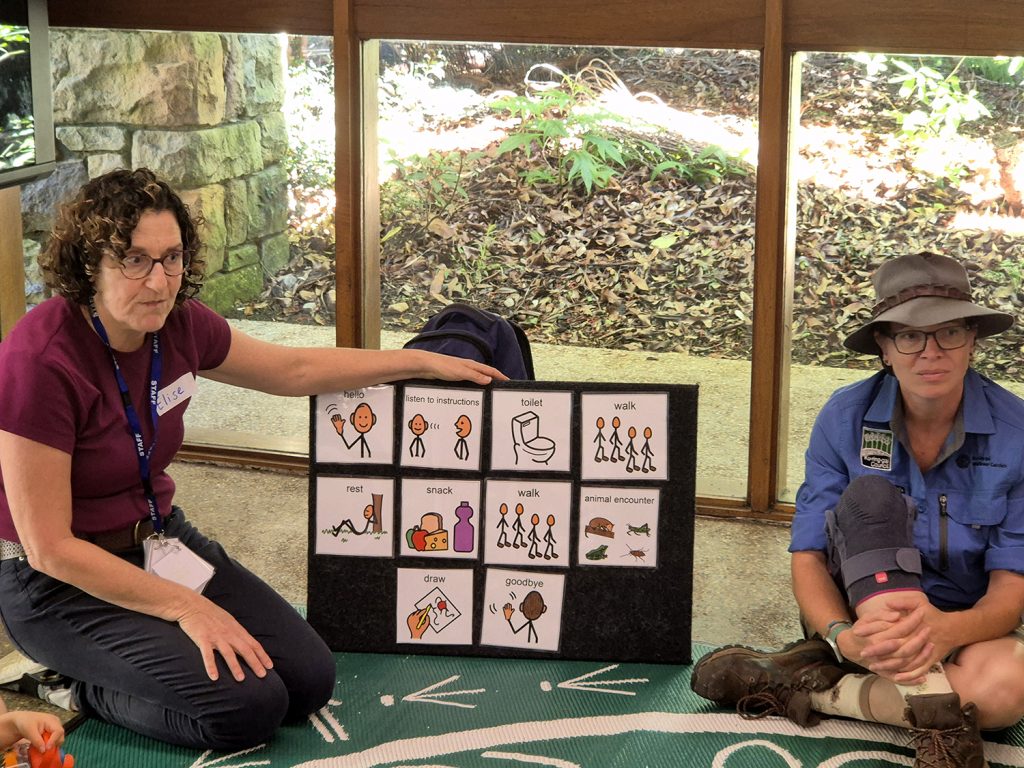
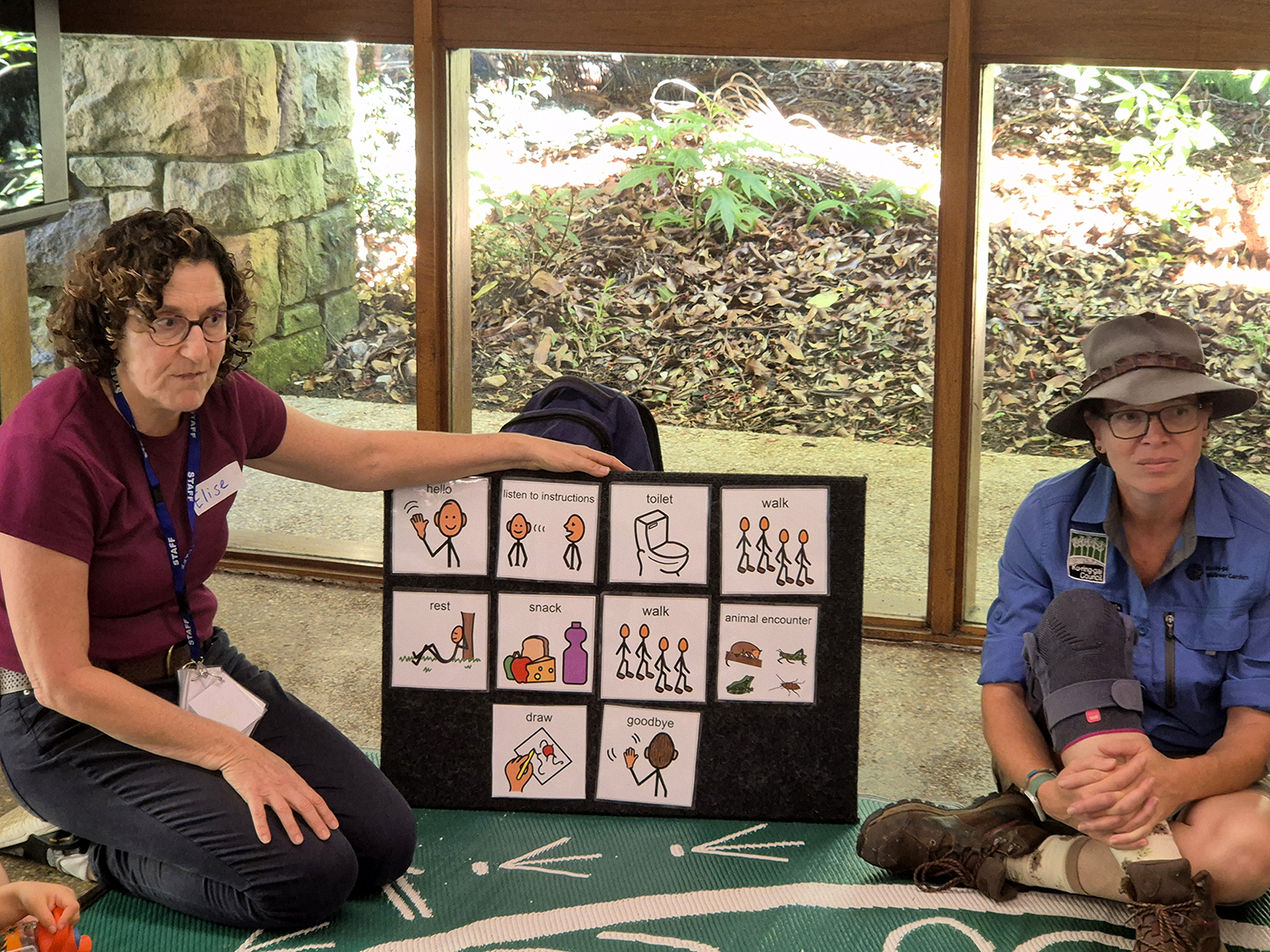
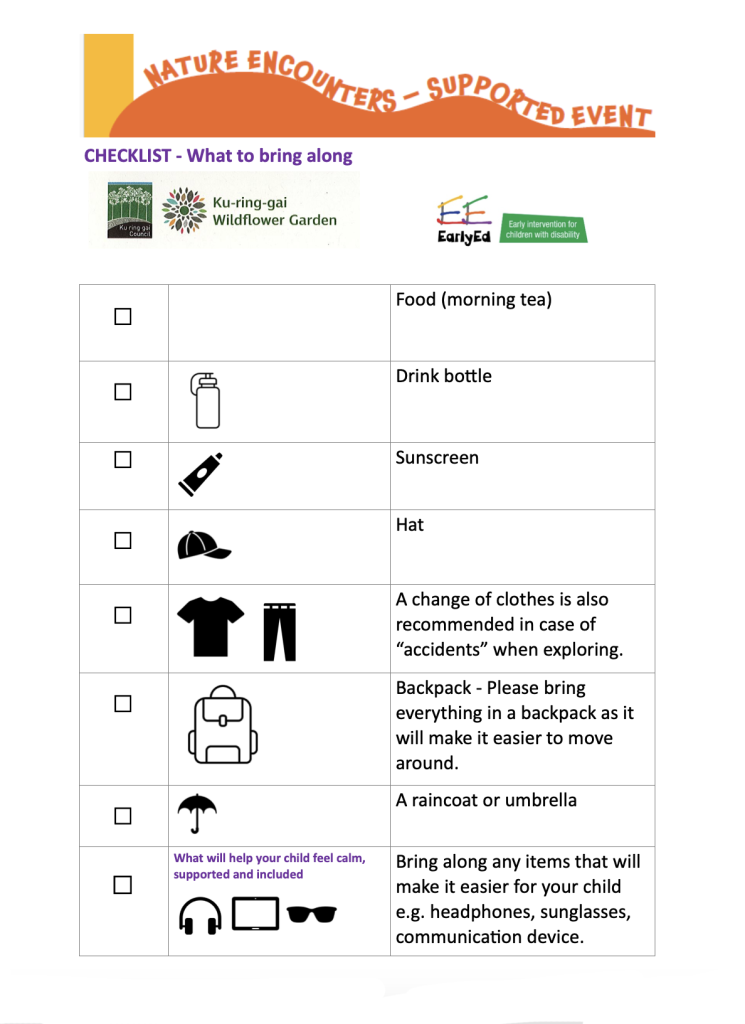
Families were sent visual supports to help them get ready and be ready when they got there. These included
- Ideas about what to bring (a checklist)
Families know what things help their child feel safe and calm, such as headphones, sunglasses, a drink bottle, a communication device, or a favourite item. These items are especially useful when going somewhere new. The checklist not only acts as a reminder for parents to bring support items but provides a way for parents to help their children have a say about what they like / find helpful or want to take for themselves.
- Visuals they might want to use during their visit
EarlyEd provided families with information to help them know what was going to happen at the Wildflower Garden.
A video story was sent via email. This is as useful for the parents as the children. Families could show the video to their children as many times as they needed to; before leaving home, on arrival and during the session (by starting at the point in the story they had reached).
Being flexible
When you have a plan and know what to expect it is easier to be flexible as you can drop out of or back into an activity. It means you can adapt to your child’s reactions and build on their interests. This means that families could move around the nature trail at their own pace. Children did not have to join in the same way or at the same time. They could look at what they wanted, take a break, come back, or join in with help.
Other supports
When a family feels supported, they are in a better position to use the strategies their intervention team have been using in their sessions. Using them away from the usual routine can give a child an opportunity to generalise the skills they are learning.
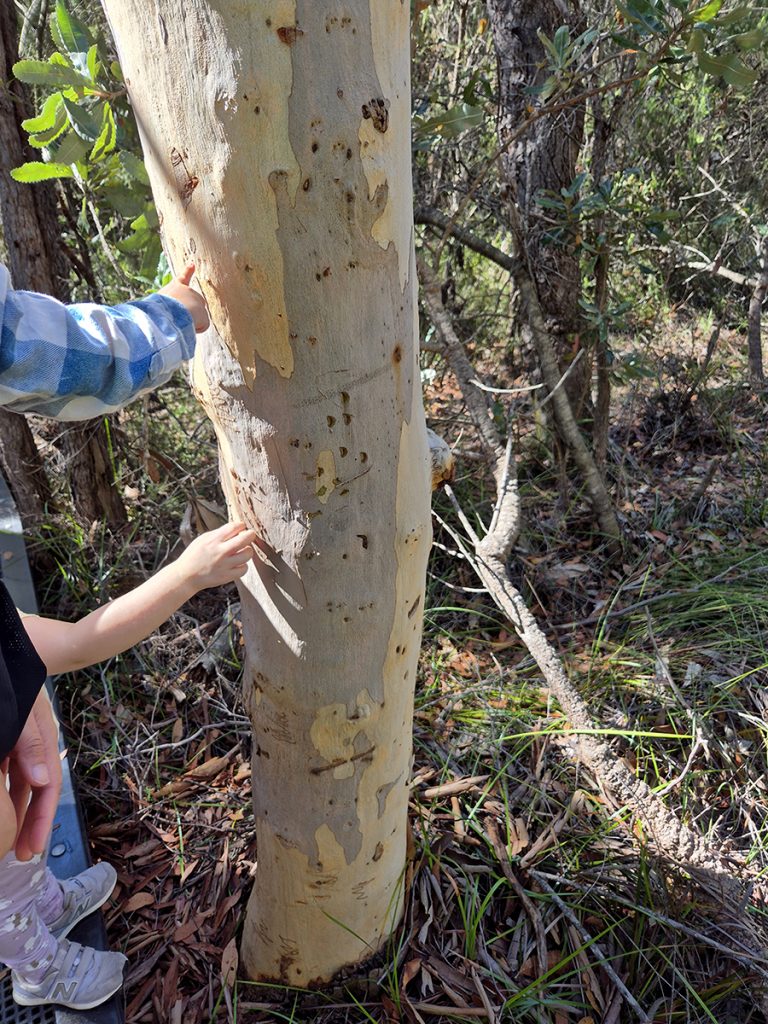
We used Key Word Sign to accompany conversations because we knew children would be working hard to understand the instructions being given in this unusual situation. If we asked a question we paused and waited longer than usual to give children time to understand and respond with so much going on around them. We made sure we used lots of interesting new vocabulary e.g. spikey, prickly, creek, seed. Together, we helped children notice what was around them, such as trees, water, animals, sounds and textures.
The benefits of supported events
A supported event can build the confidence of parents and children. Families can try different strategies that they may not risk trying without support being in place. They can try doing something new knowing that help is nearby. Families can see what their child can achieve.
Doing something once can help families have the confidence to do it again. A walk in the bush, a visit to a park, or a family day out can become something to try, not something to avoid.
Children benefit when they try new things. They can experience walking, waiting, looking, listening, asking for help, playing with others, and following routine in new ways.
Thank you
The Ku-ring-gai Council Community Grant funding of the Nature Encounter not only helped families take part in a special event and make the most of the wonderful bushlands of Ku-ring-gai Wildflower Garden. It has created resources other families can make use of in the future.
We invite new families to try them out.
Thank you to the families who came along to be part of this first event.
Thank you to the children who joined in and showed us all the different ways to have a Nature Encounter and explore and learn together.